
In the quest for that flawless morning pour-over or killer espresso shot, your coffee grinder is the unsung hero. Burr grinders crush beans between two precision surfaces for even particle size—miles ahead of blade choppers. But the real debate in 2026 boils down to the burr material: ceramic or steel (usually hardened stainless).
Ceramic burrs promise cooler, quieter operation and exceptional edge retention, while steel burrs deliver rugged reliability and razor-sharp performance at a friendlier price. Which one actually wins for your setup? This fresh guide from CoffeeMachineTips.com cuts through the hype with updated insights from recent tests, user reports, and evolving grinder tech in 2026.
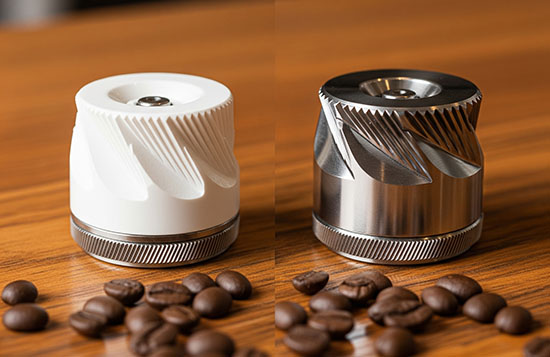
We’ll explore performance differences, practical trade-offs, and smart picks—no recycled talking points, just actionable advice for home brewers and aspiring baristas.
Side-by-Side: Ceramic Burrs vs Steel Burrs at a Glance (2026 Update)
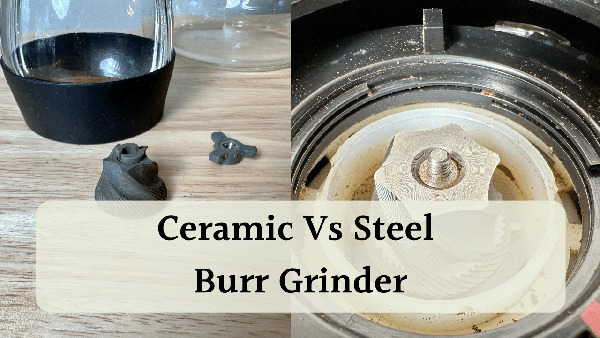
Ceramic Vs Steel Burr Grinder: Complete Comparison
Edge Retention | Outstanding – stays razor-sharp for years | Good, but dulls faster under heavy daily use |
Heat Buildup | Minimal friction heat – ideal for delicate roasts | Moderate; modern designs vent it well |
Durability / Toughness | Brittle – chips if a pebble sneaks in | Extremely tough – shrugs off mishaps |
Grind Speed | Slower in manuals; steady in electrics | Faster cutting action, especially in powered models |
Noise & Vibration | Noticeably quieter | A bit louder, more mechanical hum |
Flavor Influence | Often cleaner, brighter notes in light roasts | Consistent, sometimes bolder body; minimal if quality |
Typical Price Range | Higher (premium manuals & select electrics) | More accessible across budgets |
Best Suited For | Flavor chasers, occasional grinders, light roasts | Everyday warriors, high-volume, espresso precision |
Insights drawn from 2025–2026 reviews, barista forums, and recent model tests.
How Burr Material Actually Shapes Your Coffee
Burrs don’t just grind—they determine particle uniformity, fines production, and heat transfer. Uneven grounds lead to sour or bitter brews; heat can mute volatile aromas.
Ceramic burrs (non-metallic, ultra-hard compound) excel at low-friction grinding. They transfer almost no heat, helping preserve bright acidity in Ethiopian naturals or floral Kenyan lots. Many users report a “cleaner” cup with less muted notes, especially in slower manual or low-RPM electric setups. They also resist corrosion completely—no rust worries in humid kitchens.
Downside? Brittleness. A single small stone from poorly sorted beans can crack the burrs, ending their life prematurely. They’re also pricier upfront, and ultra-fine espresso grinds can sometimes feel less “punchy” compared to steel.
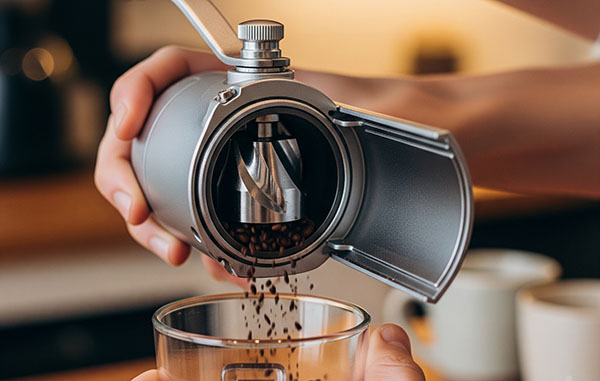
Steel burrs (modern stainless alloys, often titanium-coated) bite aggressively for quick, precise cuts. They create clean particle distribution, which shines in espresso (fewer channeling issues, better puck integrity). In high-quality models with good cooling (e.g., low-RPM motors or airflow), heat impact is negligible for most home users. They’re built like tanks—perfect for 200–500 g weekly grinding without drama.
Trade-off: Slightly more heat in extended sessions (though rarely flavor-ruining in 2026 designs), and eventual dulling requires sharpening or replacement after heavy use.
In blind taste tests from recent discussions (forums & YouTube 2025–2026), differences are subtle for medium/dark roasts but more noticeable on light/single-origin beans—ceramic edges out for nuance, steel for body and consistency.
Practical Pros & Cons: Beyond the Specs
Ceramic Burr Advantages in Real Life
- Cooler operation safeguards subtle aromatics—great if you geek out on origin-specific coffees.
- Exceptional longevity when babied—no frequent dulling.
- Quieter mornings; less kitchen racket.
- Zero rust risk, even in coastal or tropical climates.
Ceramic Burr Drawbacks
- Fragile—avoid if your bean supply includes occasional debris.
- Higher cost for comparable consistency.
- Slower in some manual models; requires more effort for fine grinds.
- Less forgiving for ultra-fine espresso dialing.
Steel Burr Advantages in Real Life
- Bulletproof toughness—ideal for clumsy mornings or families.
- Faster throughput; grinds feel snappier.
- Better value—strong performance from budget to premium.
- Excels at uniform fines control for modern espresso styles.
Steel Burr Drawbacks
- Can warm grounds noticeably in cheap/high-speed models (opt for quality).
- Eventual edge wear means maintenance over years.
- Slightly noisier operation.
2026 Buying Factors: Match to Your Routine
- Light roast / flavor explorer? Lean ceramic for maximum aroma preservation.
- Daily espresso or high volume? Steel for reliability and precision.
- Budget under $150? Steel dominates with solid options.
- Manual grinder lover? Ceramic often feels premium in hand models.
- Worried about maintenance? Steel wins for forgiveness.
Hybrid trends are rising: titanium-coated steel burrs combine steel toughness with enhanced sharpness, and some brands experiment with ceramic-steel composites.
Always clean weekly (brush + vacuum), use fresh beans, and store in a dry spot.
Top Grinder Picks for 2026 (Burr-Focused)
- Best Ceramic-Focused: Kyocera or similar premium manual – unbeatable for clean, bright cups on a counter.
- Best Everyday Steel: Baratza Encore (conical steel) – legendary consistency, repairable, under $200.
- Premium Steel All-Rounder: Fellow Ode Gen 2 or Eureka models – low heat, superb espresso/filter balance.
- Value Steel Winner: Entry-level 1Zpresso or Timemore with upgraded steel sets.
Dive deeper in our best burr grinders 2026 roundup.
Bottom Line: No Universal Champ – Just the Right Fit
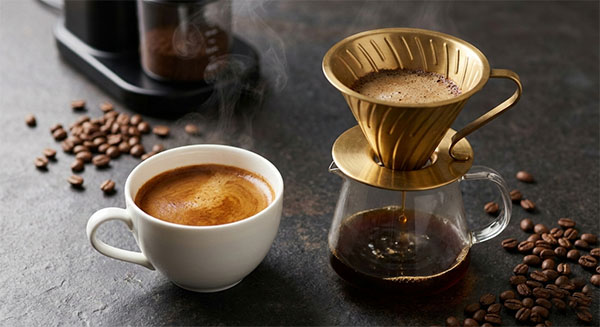
In 2026, steel burrs remain the practical favorite for most home setups thanks to toughness, speed, and value. Ceramic burrs hold their edge (literally) for flavor purists willing to handle with care.
Test both if possible—many notice the difference only on specific beans. Your perfect grinder unlocks better coffee every time.
Which burr type are you running, and what beans do you grind most? Share below—we reply to every comment!
Updated March 2026. Subscribe to CoffeeMachineTips.com for fresh gear breakdowns.
