
Freshly grinding coffee can bring more aroma to your daily cup, but freshness is only part of the recipe. Particle size, dose and brewing method also affect the result. A useful grinder should suit both your coffee maker and the way you prepare coffee each day.
The De’Longhi Dedica KG520.M is an electric burr grinder that offers adjustable grinding and two collection options: a grounds container or a portafilter attachment. Here is how those features fit into a home routine, and what to consider before buying.
This review draws on manufacturer documentation and practical brewing principles. It does not include our own measurements of noise, grind distribution or retained grounds for this model.
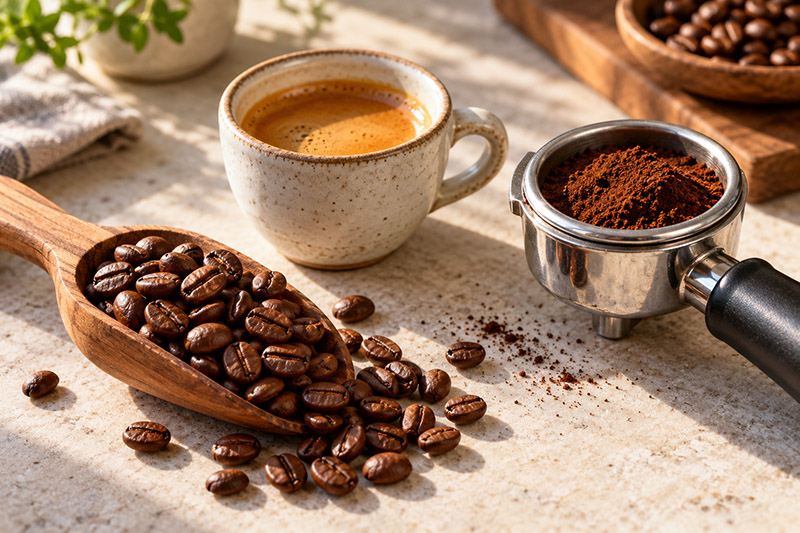
Key specifications
Grinding mechanism | Burr grinding |
Adjustment | 18 grind settings |
Bean hopper capacity | 350 g |
Grounds container capacity | 170 g |
Container quantity selection | 1–14 cups |
Direct portafilter grinding | Via a dedicated attachment |
Maintenance | Removable upper burr |
A large hopper does not need to be filled. If you make one or two drinks a day, adding a modest supply and keeping the rest of the bag tightly closed away from heat and light is a sensible approach.
What a burr grinder changes
A blade grinder chops beans, and its output depends heavily on how long it runs. A burr grinder passes coffee between grinding surfaces with an adjustable gap. This provides a more controllable way to change particle size for different brewing methods.
Still, “burr grinder” does not tell you everything about precision. Burr design, condition and adjustment increments all matter. Eighteen positions provide a range to explore; they do not promise perfect results with every coffee and brewer.
Is the KG520.M suitable for espresso?
Start by checking your espresso machine’s basket.
A pressurised basket adds resistance at the outlet and is generally more forgiving of grind precision. For someone using this type of basket, the KG520.M is worth considering as a way to move from packaged ground coffee to whole beans.
A conventional single-wall basket relies more heavily on resistance from the coffee puck. In some recipes, one adjustment step may run too quickly and the next too slowly. This is a potential limitation of stepped adjustment, rather than a measured finding about your particular combination of beans, basket and grinder.
If your main interest is light-roast espresso and detailed recipe development, assess fine adjustment carefully before purchasing. An Espresso label on a dial cannot establish compatibility with every recipe.
Also check whether your portafilter fits the attachment securely. Grinding into the container and transferring the grounds remains an option when direct dosing is awkward.
Getting started
Place the grinder on a stable, dry surface. Prepare its removable parts as instructed before first use and allow everything to dry completely. Keep the burrs dry.
Choose one coffee and one recipe for your initial tests. Changing grind, dose and beverage size together makes it difficult to identify what improved the result.
When using the grounds container, select an approximate cup quantity, grind and weigh the output. Cup selection is a guide rather than a substitute for a scale: the dose can change with beans and grind setting.
The portafilter mode provides quantities for one or two espressos. The 1–14 cup range applies to container grinding. Follow the start procedure in the manual supplied with your unit and support the portafilter if it does not sit securely in the attachment.
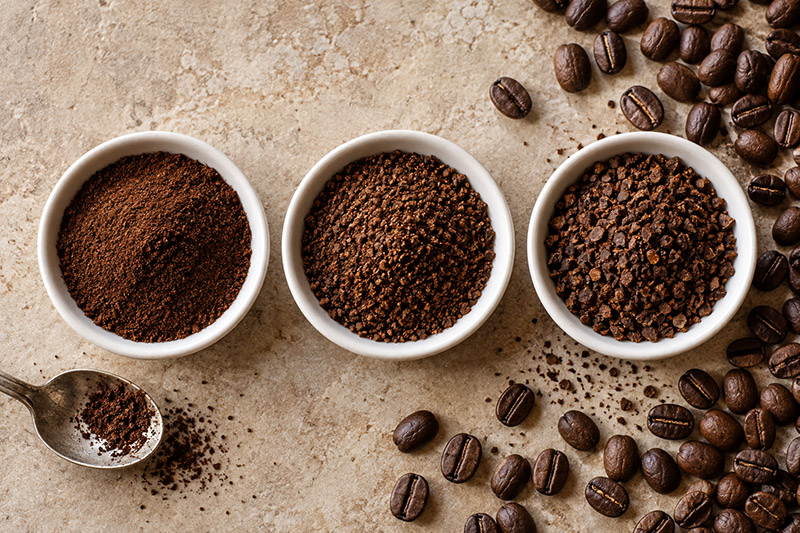
Finding a useful grind setting
There is no universal setting number for every roast, basket and recipe. Start in the appropriate range and refine the result through brewing.
Espresso | Fine | Flow and flavour at a consistent dose |
Moka pot | Medium-fine | Even brewing; do not tamp the funnel |
Drip coffee maker | Medium | Flavour balance and water flow |
French press | Coarse | Body, sediment and ease of filtration |
For espresso, record both the dry dose and beverage yield. If your basket is designed for 16 g of coffee, a yield around 32 g can be an initial experiment. This is an example brewing ratio, not a required recipe or a claimed KG520.M dose.
If a shot runs quickly and tastes sharply sour at a consistent dose and yield, try a slightly finer grind. If flow is severely restricted and the drink tastes unpleasantly dry and bitter, try going coarser. Change one variable at a time.
Acidity can also come from the coffee itself. Bitterness may reflect roast level, temperature or dirty equipment. Grind adjustment is useful, but it cannot explain every flavour problem.
Choosing beans
A medium roast with chocolate, nut or caramel notes makes a practical starting point. It gives you a familiar flavour target while learning the grinder, before exploring more demanding recipes.
Use roasted coffee beans without added coatings. Avoid heavily oily beans and flavoured coatings that make cleaning more difficult. Do not use the grinder for nuts, sugar or spices.
Buy a bag size that matches your consumption. A larger pack offers little benefit if much of its aroma disappears before you finish it.
Cleaning and maintenance
Remove loose grounds and empty the collection container after brewing. Periodically clean accessible areas of the grinding path, particularly when changing coffee.
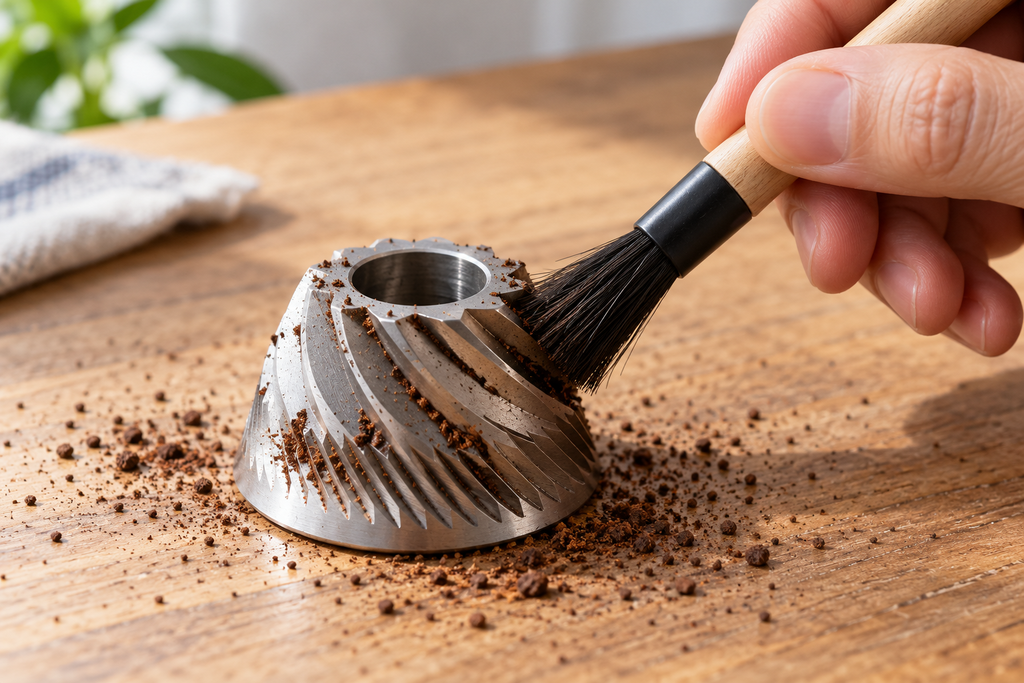
Unplug the grinder before dismantling it, and empty the hopper before removing it. Clean the upper burr with a dry brush. Do not introduce water or descaler into the grinding mechanism. Wash only the removable accessories permitted by the instructions, by hand, and dry them fully before assembly. The manual rules out dishwasher cleaning.
Never reach into moving burrs. If the grinder will not start after reassembly, check that the hopper and selected collection accessory are correctly seated.
Practical problems and what to check
The dose changes with a new bag. Weigh the grounds again and adjust the quantity. A previous setting may produce a different mass with another roast.
Grounds spill around the portafilter. Check the attachment’s fit and avoid building an excessive mound. Support an unstable portafilter or switch to container grinding.
The flavour changes without a recipe change. Check bean freshness, cleanliness, dose and water temperature before altering grind size.
The grinder stops. Stop using it and consult the troubleshooting section of your manual. Repeated stopping or overheating calls for service advice. The instructions specify a 15-minute break after two consecutive cycles, which matters if you plan to prepare several batches.
These are troubleshooting suggestions, not claims that every KG520.M develops the listed problems.
Who should consider it?
The KG520.M is worth considering for home users who want freshly ground coffee and appreciate a choice between container and portafilter collection. Match it to your espresso basket and your expectations for adjustment precision.
If your priorities include demanding espresso recipes, frequent changes between small bean portions or repeated grinding sessions, compare adjustment increments, cleaning access and operating limits against those needs before buying.
An independent grinder gives you more control over your coffee. Make that control useful by starting with one bag, weighing the dose and changing settings gradually.
Frequently asked questions
Can I use it with another brand of coffee maker?
Yes: you can transfer grounds from the container. Compatibility with the direct-dosing attachment needs a separate check.
Do I need to fill the 350 g hopper?
No. Capacity is a maximum, not a recommended daily supply.
Can it grind for Turkish coffee?
Do not buy it on the assumption that it guarantees a powder-like Turkish grind. That application requires separately confirmed performance in the necessary range.
Is a grinder worthwhile for one cup a day?
Fresh grinding can still be useful at that level of consumption. Consider whether weighing and cleaning fit your routine, since everyday convenience often determines whether an appliance gets used.
