
If you’re exploring manual coffee brewing options beyond pod machines and automatic drip brewers, two timeless classics often rise to the top: the moka pot (also known as geyser coffee maker or stovetop espresso) and the French press (cafetière). Both deliver rich, full-bodied coffee without electricity or fancy equipment, but they produce noticeably different results in flavor, strength, texture, and daily convenience.
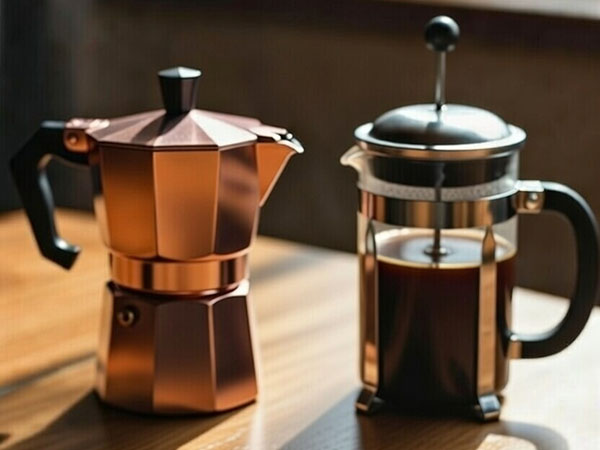
In this detailed 2026 comparison from CoffeeMachineTips.com, we’ll break down the key differences between moka pot vs French press — taste profiles, brewing simplicity, pros/cons, maintenance, and who each method suits best. Whether you’re a beginner or upgrading your home setup, this guide helps you choose the right tool for your perfect cup.
Quick Comparison Table: Moka Pot vs French Press
Edge Retention | Outstanding – stays razor-sharp for years | Good, but dulls faster under heavy daily use |
Heat Buildup | Minimal friction heat – ideal for delicate roasts | Moderate; modern designs vent it well |
Durability / Toughness | Brittle – chips if a pebble sneaks in | Extremely tough – shrugs off mishaps |
Grind Speed | Slower in manuals; steady in electrics | Faster cutting action, especially in powered models |
Noise & Vibration | Noticeably quieter | A bit louder, more mechanical hum |
Flavor Influence | Often cleaner, brighter notes in light roasts | Consistent, sometimes bolder body; minimal if quality |
Typical Price Range | Higher (premium manuals & select electrics) | More accessible across budgets |
Best Suited For | Flavor chasers, occasional grinders, light roasts | Everyday warriors, high-volume, espresso precision |
Data based on 2026 expert reviews, barista tests, and user feedback.
How They Work: Brewing Basics
Moka Pot (Geyser Coffee Maker)
The iconic Italian stovetop brewer has three chambers:
- Bottom: water
- Middle: coffee basket
- Top: collects brewed coffee
Heat creates steam pressure that pushes hot water up through the grounds, producing a strong, concentrated brew. Popular models in 2026 include the timeless Bialetti Moka Express and premium versions from brands like MacKenzie-Childs.
French Press
A simple glass or stainless-steel cylinder with a plunger and metal mesh filter. You add coarse grounds, pour hot water (around 195–205°F), steep 4 minutes, then press down to separate grounds. Favorites include the Espro P7 and classic Bodum models.
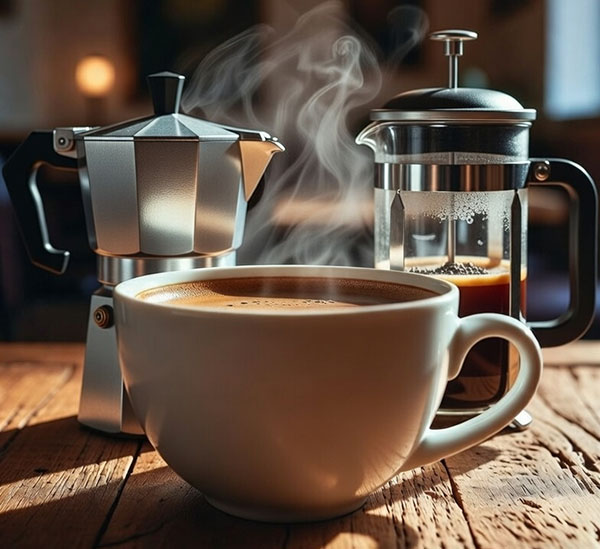
Taste & Flavor Showdown
Moka Pot: Bold, Intense & Espresso-Like
- Delivers rich, concentrated coffee with notes of dark chocolate, caramelized sugar, and subtle smokiness/nuttiness.
- Higher extraction creates a thicker body and slight bitterness if over-extracted.
- Closer to espresso (but milder — about 1.5–2 bar vs 9 bar real espresso).
- Excellent base for milk drinks: cuts through milk beautifully in lattes or cappuccinos.
Best for: Lovers of strong, punchy coffee who want an “espresso vibe” at home without a machine.
French Press: Smooth, Full-Bodied & Nuanced
- Retains natural coffee oils → velvety mouthfeel and heavier body.
- Highlights brighter, sweeter, or more delicate notes (fruity, floral, chocolate) depending on beans.
- Less intense per sip, but very satisfying for black coffee drinkers.
- No true crema, but a nice foam layer from oils.
Best for: Those who prefer a balanced, tea-like richness with less bitterness.
Verdict on taste: No universal winner — it’s preference. If you crave intensity and espresso-style drinks → moka pot. If you want smooth, oil-rich body with nuance → French press.
Ease of Use & Daily Practicality
Moka Pot
- Slightly trickier: requires monitoring (listen for the gurgle/hiss to remove from heat), right water level, and avoiding over-packing grounds.
- Less forgiving on grind size and heat — risk of bitterness if you walk away.
- But very consistent once you dial it in.
French Press
- Extremely beginner-friendly: add grounds → pour water → wait → plunge.
- Forgiving on minor errors (steep time, ratio).
- Biggest downside: sediment in the cup (some love it, others hate the grit).
Winner for simplicity: French press — especially for mornings when you’re half-awake.

Pros & Cons at a Glance
Moka Pot Pros
- Strong, concentrated brew
- Great for milk-based drinks
- Compact and durable (aluminum or stainless)
- No paper filters needed
Moka Pot Cons
- Requires stovetop/heat source
- Can become bitter if overheated
- More parts to clean
French Press Pros
- Super easy & forgiving
- Large batches possible (8–12+ cups)
- Highlights bean flavor nuances
- Affordable entry point
French Press Cons
- Sediment/grit in cup
- Coffee cools faster
- Not ideal for very strong espresso-style shots
Our 2026 Recommendations
- Best Overall Moka Pot: Bialetti Moka Express — reliable, classic, brews rich without bitterness when used correctly (~$40–60).
- Best Premium Moka Pot: Espro or modern stainless models for cleaner taste and durability.
- Best French Press: Espro P7 — double filter reduces sediment dramatically (~$140).
- Best Budget Pick: Bodum Brazil or Primula stovetop (~$25–35).
Which One Should You Choose?
- Choose a moka pot if you:
- Love strong, bold coffee
- Make lattes/Americanos often
- Want something close to espresso without the cost
- Choose a French press if you:
- Prefer smooth, full-bodied black coffee
- Want maximum simplicity
- Enjoy experimenting with different beans
Many coffee lovers own both — they complement each other perfectly for different moods and occasions.
Ready to brew better at home? Check our guides to best stovetop espresso makers 2026 and top French presses for the latest models and tips.
Which do you prefer — moka pot intensity or French press smoothness? Drop your thoughts in the comments below!
Last updated: February 2026. Subscribe to CoffeeMachineTips.com for more brewing comparisons and gear reviews.
